

The Best Time to Trim Trees Is Late Fall Before the First Heavy Freeze
You should schedule tree trimming in late fall, before the first heavy snowfall or deep freeze. This is usually after the leaves have dropped but before ice and snow storms begin. Trimming at this time helps protect your home, yard, and nearby power lines from broken branches during winter weather.
Why Prevention Matters Before Winter Hits
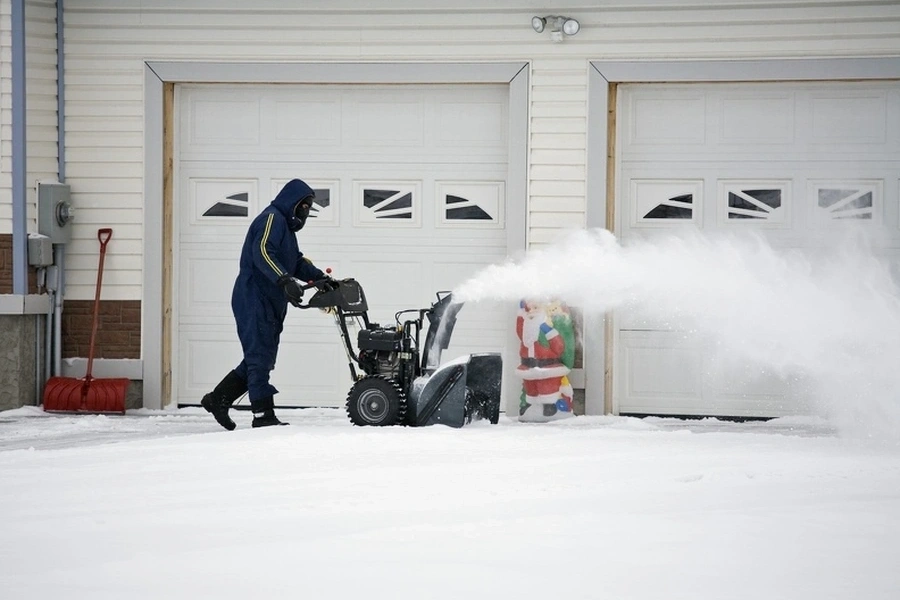
Snow and ice add a lot of weight to tree limbs. Weak or dead branches can snap fast. When they fall, they can damage roofs, cars, fences, and sidewalks. They also create hazards that make snow removal harder and more dangerous.
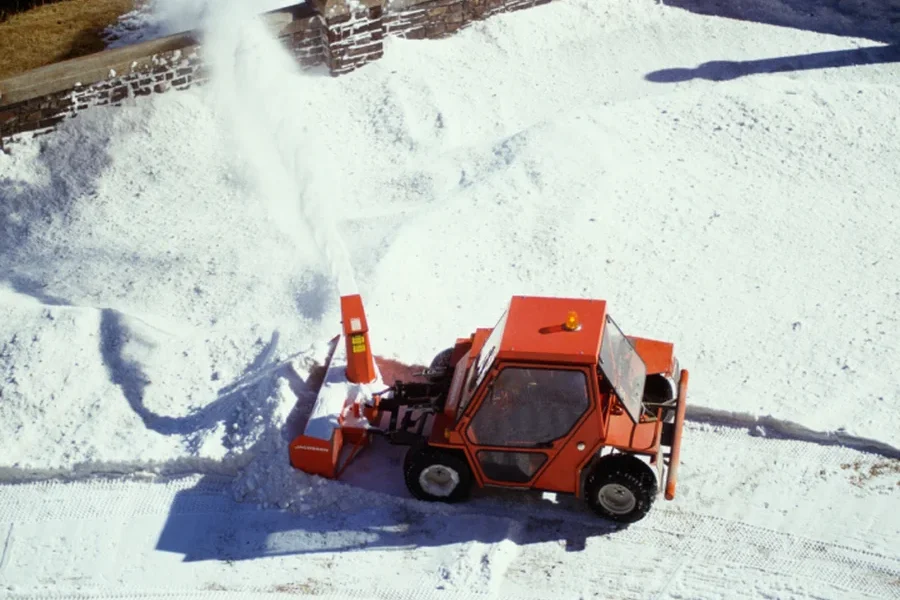
If trees hang over your driveway or sidewalk, broken limbs can block access. That slows down plowing and shoveling. A simple trim before winter lowers these risks and keeps your property safer all season.
Early Warning Signs Your Trees Need Trimming
Not sure if it is time to schedule service? Look for these signs in early to mid-fall:
- Dead or hanging branches
- Cracks where limbs connect to the trunk
- Branches touching your roof
- Limbs growing over driveways or walkways
- Trees leaning more than usual
If you spot any of these issues before snowfall, it is smart to act quickly. Waiting until winter can make trimming harder and less safe.
Simple Seasonal Checklist for Fall
Use this quick checklist each year before winter weather arrives:
- Walk around your property and inspect each tree.
- Look up into the canopy for thin or bare limbs.
- Check for branches near power lines.
- Clear small debris from the yard.
- Schedule trimming before the ground freezes.
Late fall is also a good time to plan other outdoor services. Many homeowners pair tree trimming with yard cleanup or snow removal planning so everything is ready before the first storm.
Best Practices for Long-Term Tree Health
Healthy trees handle snow better than weak ones. Regular trimming every one to three years helps keep strong branch structure. Removing crowded limbs allows wind to pass through more easily. That lowers the chance of storm damage.
It also helps to:
- Trim young trees to guide proper growth
- Remove diseased wood quickly
- Keep branches at least six feet from your roof
- Avoid topping trees, which weakens them
Good pruning improves tree shape and strength. It also makes winter snow removal easier since fewer branches hang low over driveways and sidewalks.
What Not to Do Before Snowfall
Many people wait until after the first snow. That can be a mistake. Snow hides weak limbs and makes ladders unstable. Frozen wood is also more brittle and harder to cut safely.
Do not try to remove large, high branches on your own. Using chainsaws without proper safety gear can lead to injury. It is also risky to trim near power lines. Leave those jobs to trained crews.
Avoid heavy pruning too late in the season. Cutting too much right before deep cold can stress certain tree types.
When to Schedule Professional Help
The best window is mid to late fall. Aim for a few weeks before your area usually sees steady snowfall. Professional crews can assess tree health, remove dangerous limbs, and shape the canopy safely.
If your property has tall trees, large branches, or tight spaces near buildings, it is wise to book early. Schedules fill up quickly as winter gets closer.
Professionals can also coordinate trimming with other outdoor needs, including snow removal services, so your home is ready for storms. This is especially helpful for homes with long driveways or shaded areas where snow and ice build up fast.
Tree care is often part of a broader service category like landscaping and property maintenance. Planning ahead keeps everything running smoothly once winter begins.
Schedule Your Tree Trimming Before Winter
If you want your property ready for winter in Little Chute, WI, we are here to help. At Elite Stump Grinding, we trim trees safely and prepare yards for the season ahead. Call us at (920) 260-3858 to schedule service and keep your home clear, safe, and ready for snow removal this winter.